Anticipating territorial changes through prospective research
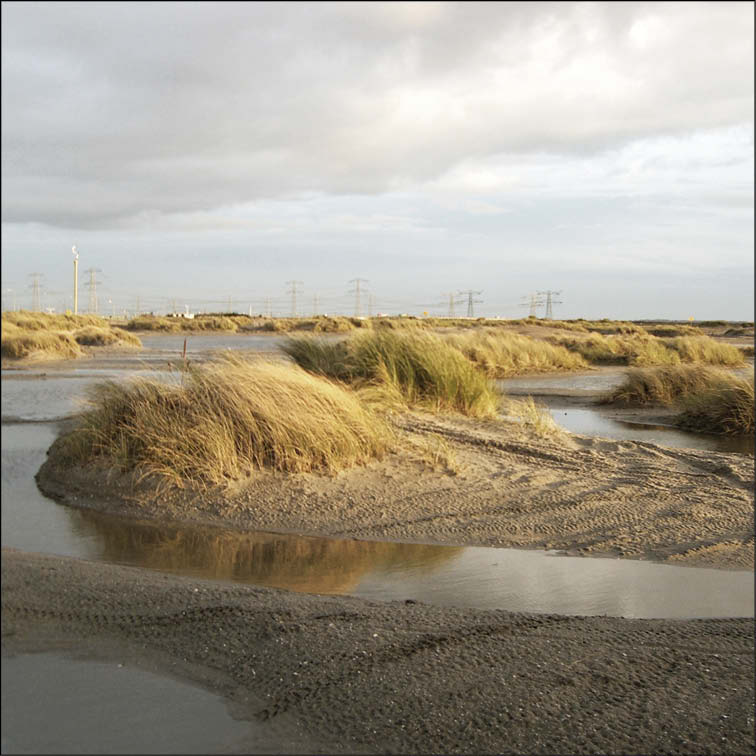
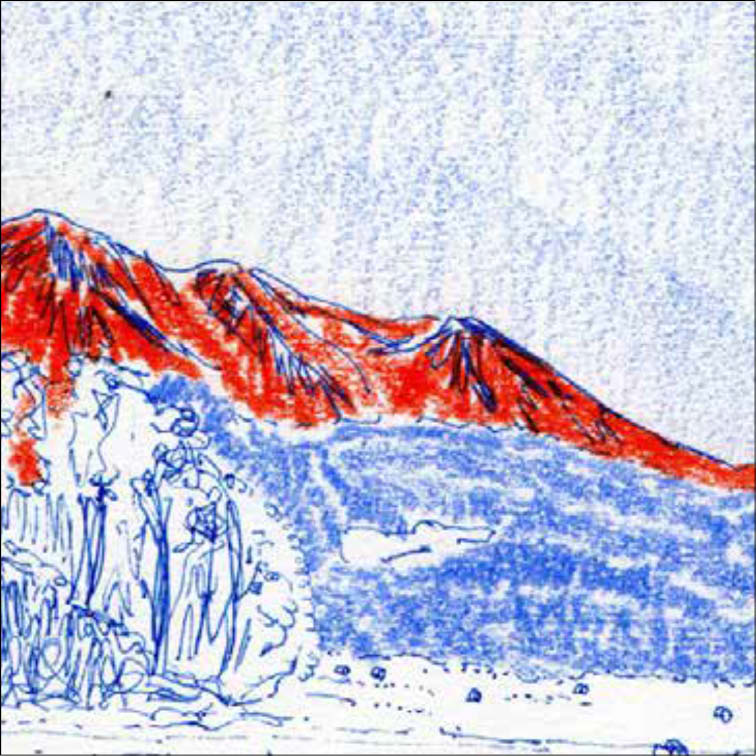
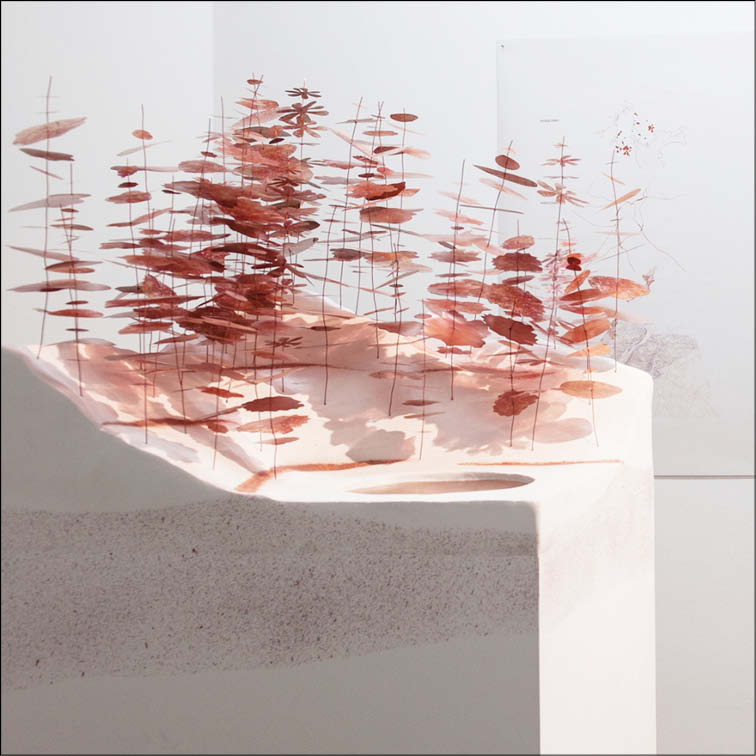
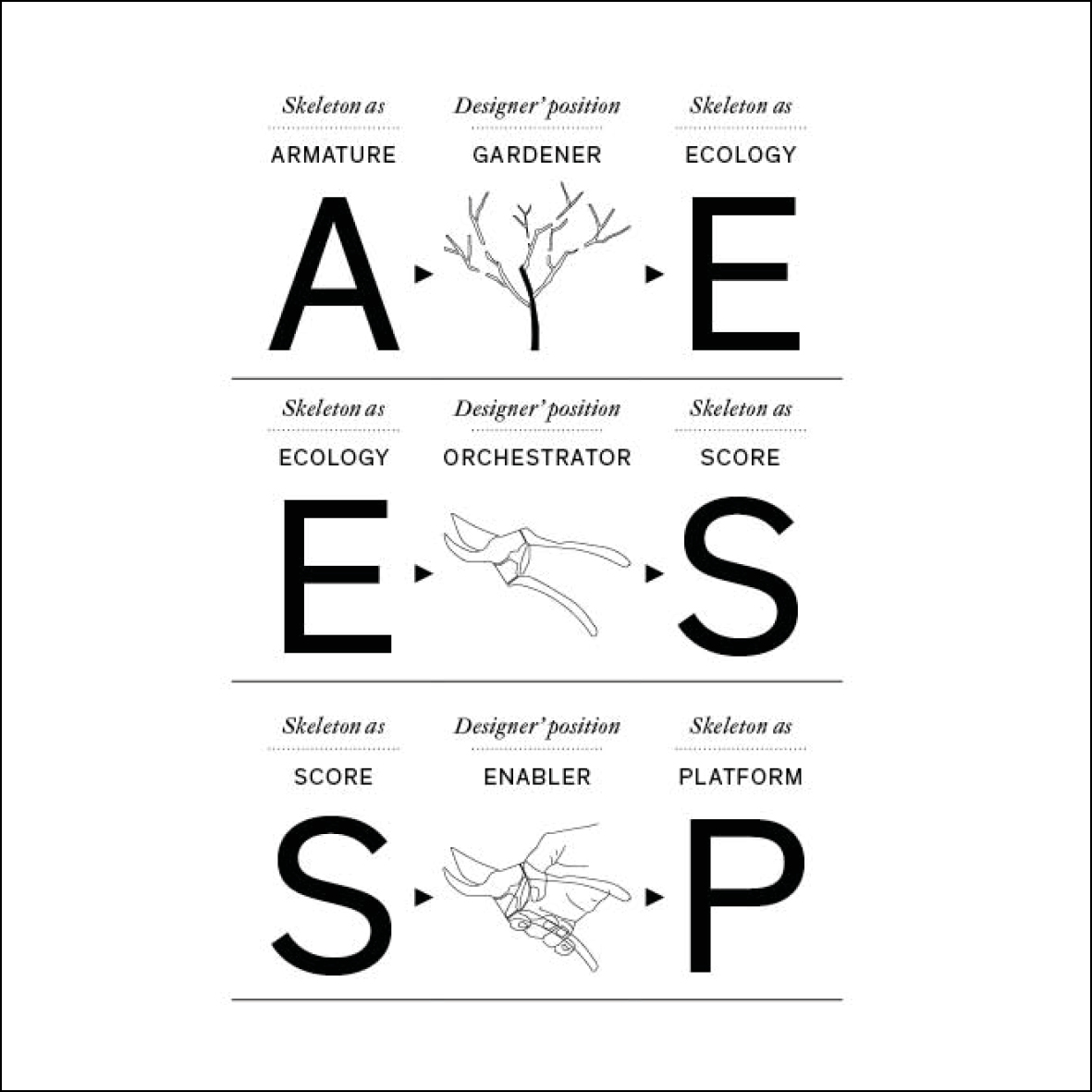
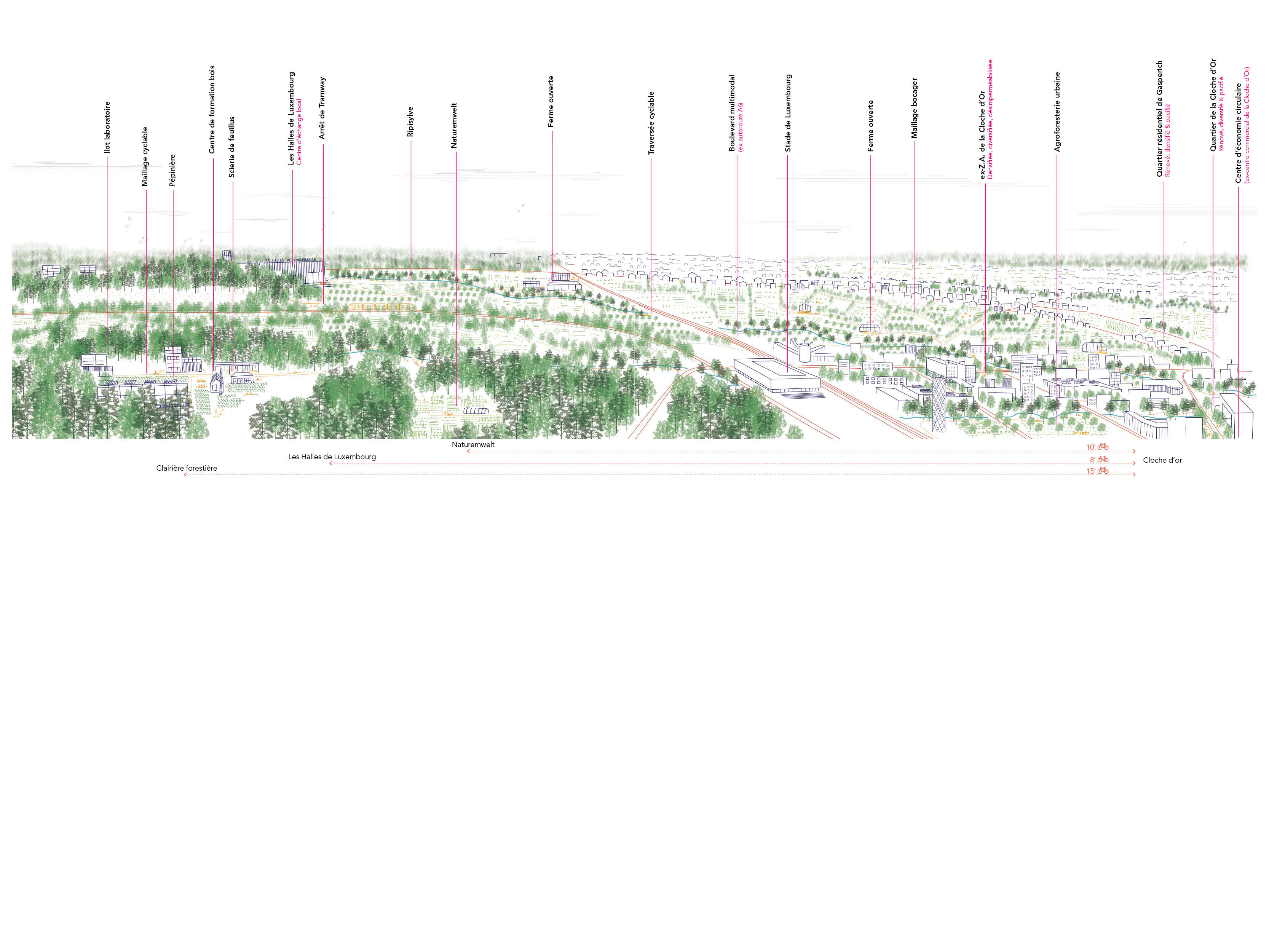
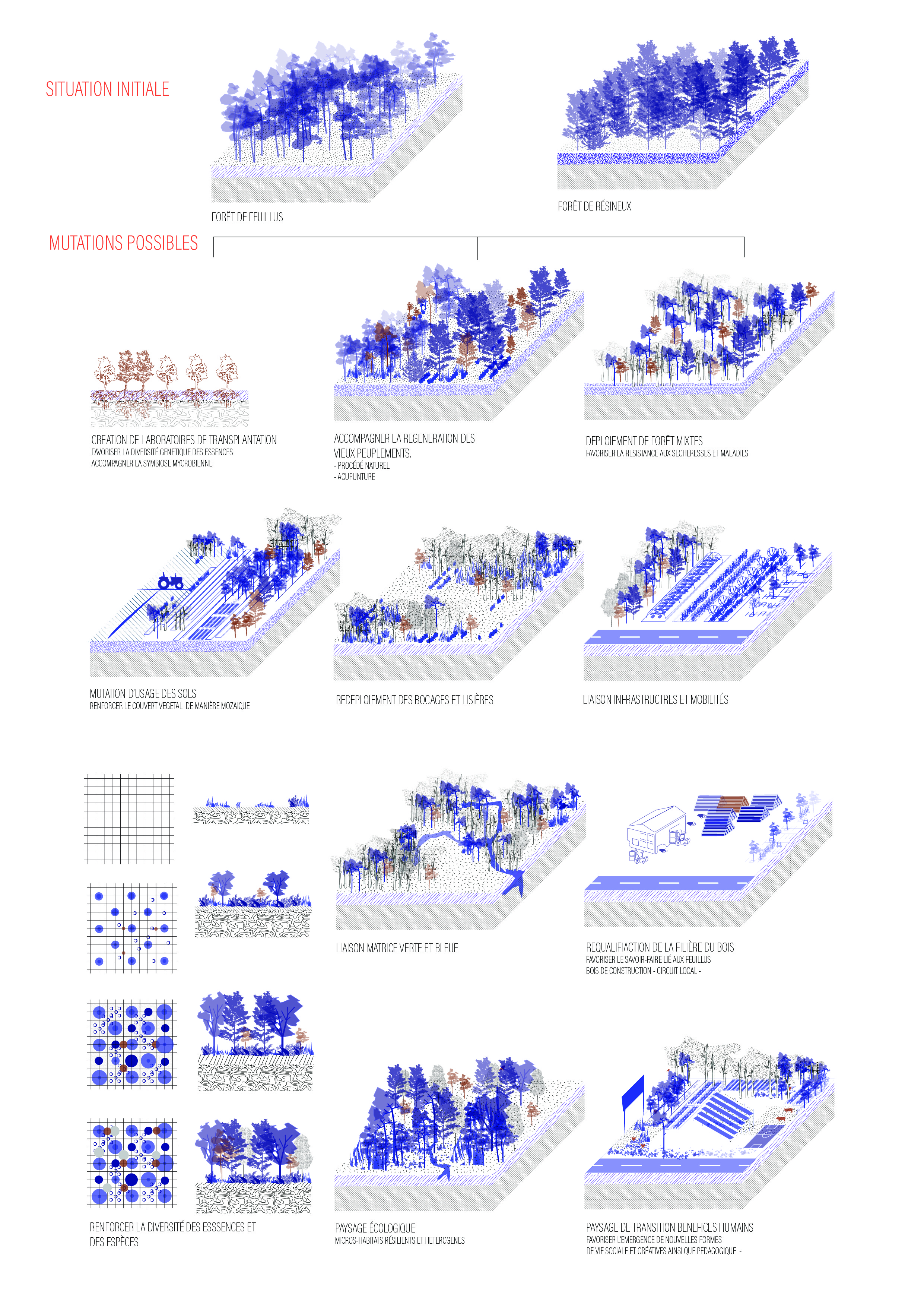
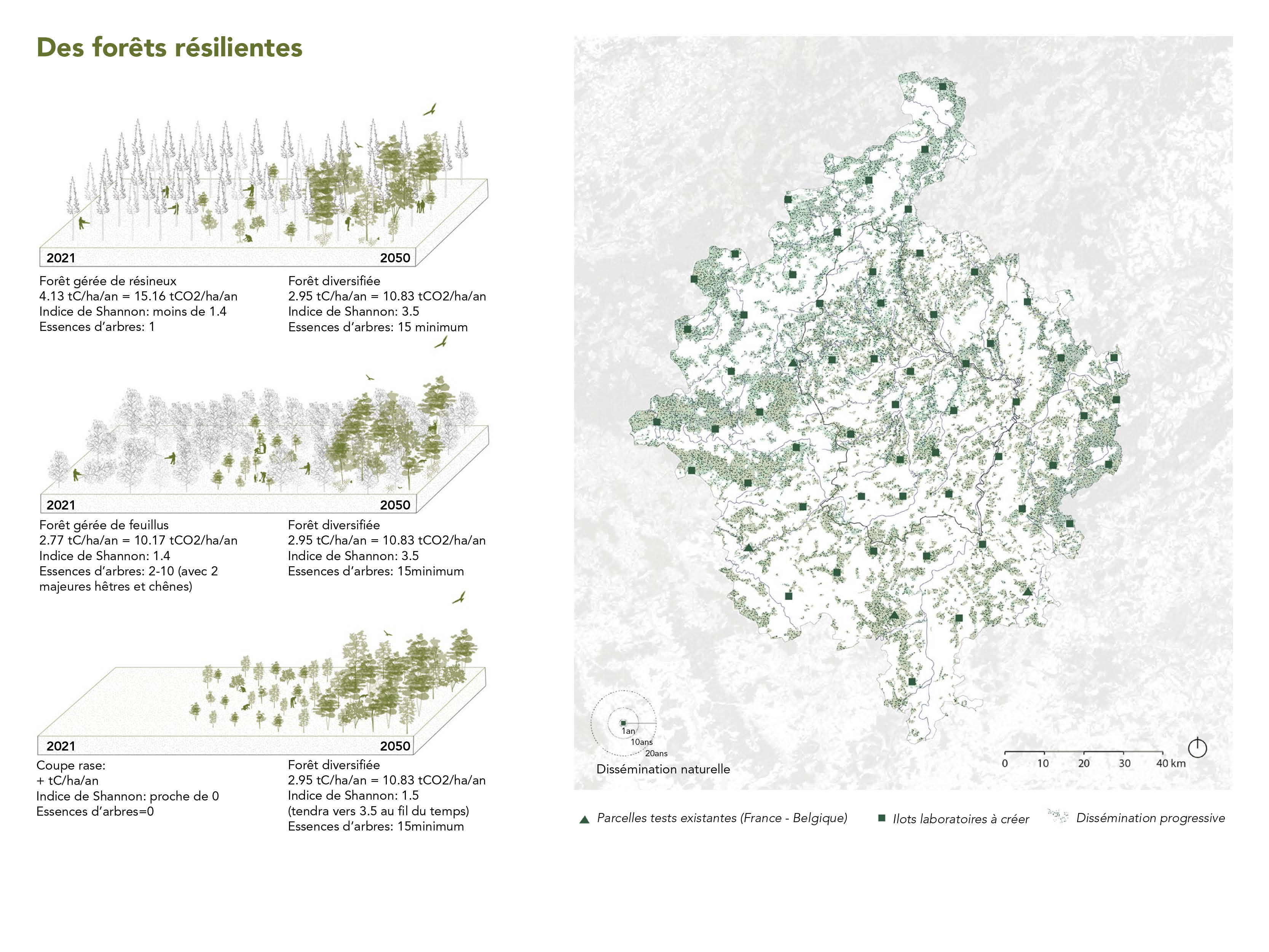
LUXEMBOURG IN TRANSITION- ZERO CARBON 2050
Client : Luxembourg Due
Team : AREP, Taktyk, Quattrolibri
TAKTYK project managers : Simon AUBERPIN, Ike CHERQUI, Flavie MERGER
Program : Territorial vision for the decarbonated and resilient future
Location : Luxembourg
Surface Area : Luxembourg functional region
Date : 2020 - 2023
Luxembourg in Transition consultation aims to gather knowledge and strategic spatial planning proposals for Luxembourg and its cross-border regions, in order to developecological, resilient, and carbon-neutraltransition scenarios for the Grand Duchyby 2050. The key challenge is to shift froma territory shaped by and for fossil fuels to one that enables and supports decarbonised lifestyles.To this end, the project team based its approach on defining transition pathways
for various topotypes and sociotypes,
representative of Luxembourg’s territorial
and social diversity. These strategic levers
were then quantified and organised across
three time horizons:
2021–2022: Emergency measures aimed at
initiating emissions reductions through
tactical interventions.
2030 horizon: Transformation of
Luxembourg’s productive system.
2050 horizon: Structural reconversion and
the “soft landing” of the country’s carbon
emissions.
+ Phase 3: View the team report
+ The team presents the results of the third phase (video)
+ Phase 2: View the team report
+ The team presents the results of the second phase (video)
+ Phase 1: View the team report
+ The team presents the results of the first phase (video)
+ View the statement of intent
+ Watch the presentation video
La consultation Luxembourg in Transition
vise à réunir des éléments de connaissance et des propositions stratégiques d’aménagement du territoire du Luxembourg et de ses régions
frontalières, afin de produire des scénarios
de transition écologique, résiliente et
décarbonée du Grand-Duché à horizon 2050. L’enjeux est de passer d’un territoire façonné par et pour les énergies fossiles à un territoirefacilitant des modes de vie décarbonés. L’équipe de projet s’est pour cela appuyé sur la définition de trajectoires de transitionpour différents topotypes et sociotypes représentatifs de la diversité du Luxembourg.
Enfin, ces leviers d’action ont été quantifiés
et classés selon trois horizons temporels :
2021-2022 : mesures d’urgence visant à
amorcer la baisse des émissions par le biais d’intervention tactiques
Horizon 2030 : transformation de l’appareil
productif luxembourgeois
Horizon 2050 : reconversion structurelle et
« atterrissage » des émissions carbone du
Luxembourg.
+ Phase 3 : Voir le rapport de l’équipe
+ L'équipe présente les résultats de la 3ème phase (vidéo)
+ Phase 2 : Voir le rapport de l’équipe
+ L'équipe présente les résultats de la 2ème phase (vidéo)
+ Phase 1 : Voir le rapport de l’équipe
+ L'équipe présente les résultats de la 1ère phase (vidéo)
+ Voir la déclaration d’intention
+ Voir la vidéo de présentation
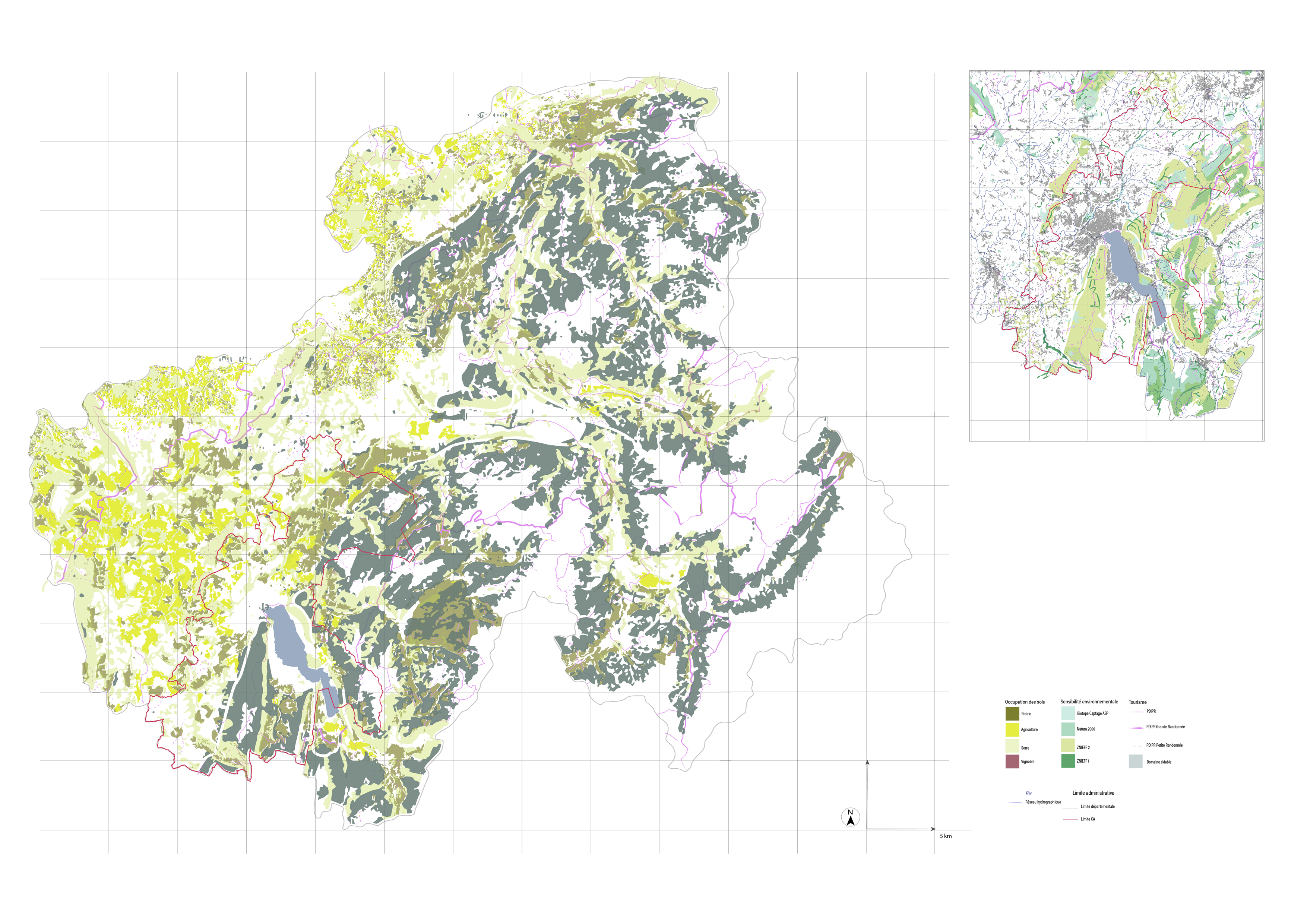
Vision for GREATER GENEVA Arve Valley
Client : PACA Vallée de l’Arve
Team : AREP, TAKTYK, Bureau Mobil'homme BMH, SU-ITE, Arx-IT, Benjamin PRADEL
TAKTYK project manager : Ike CHERQUI
Program : 2050 cross-border territorial vision of Greater Geneva and its ecological transition
Location : Geneva
Surface Area : Geneva
Date : 2022
Client : PACA Vallée de l’Arve
Team : AREP, TAKTYK, Bureau Mobil'homme BMH, SU-ITE, Arx-IT, Benjamin PRADEL
TAKTYK project manager : Ike CHERQUI
Program : 2050 cross-border territorial vision of Greater Geneva and its ecological transition
Location : Geneva
Surface Area : Geneva
Date : 2022
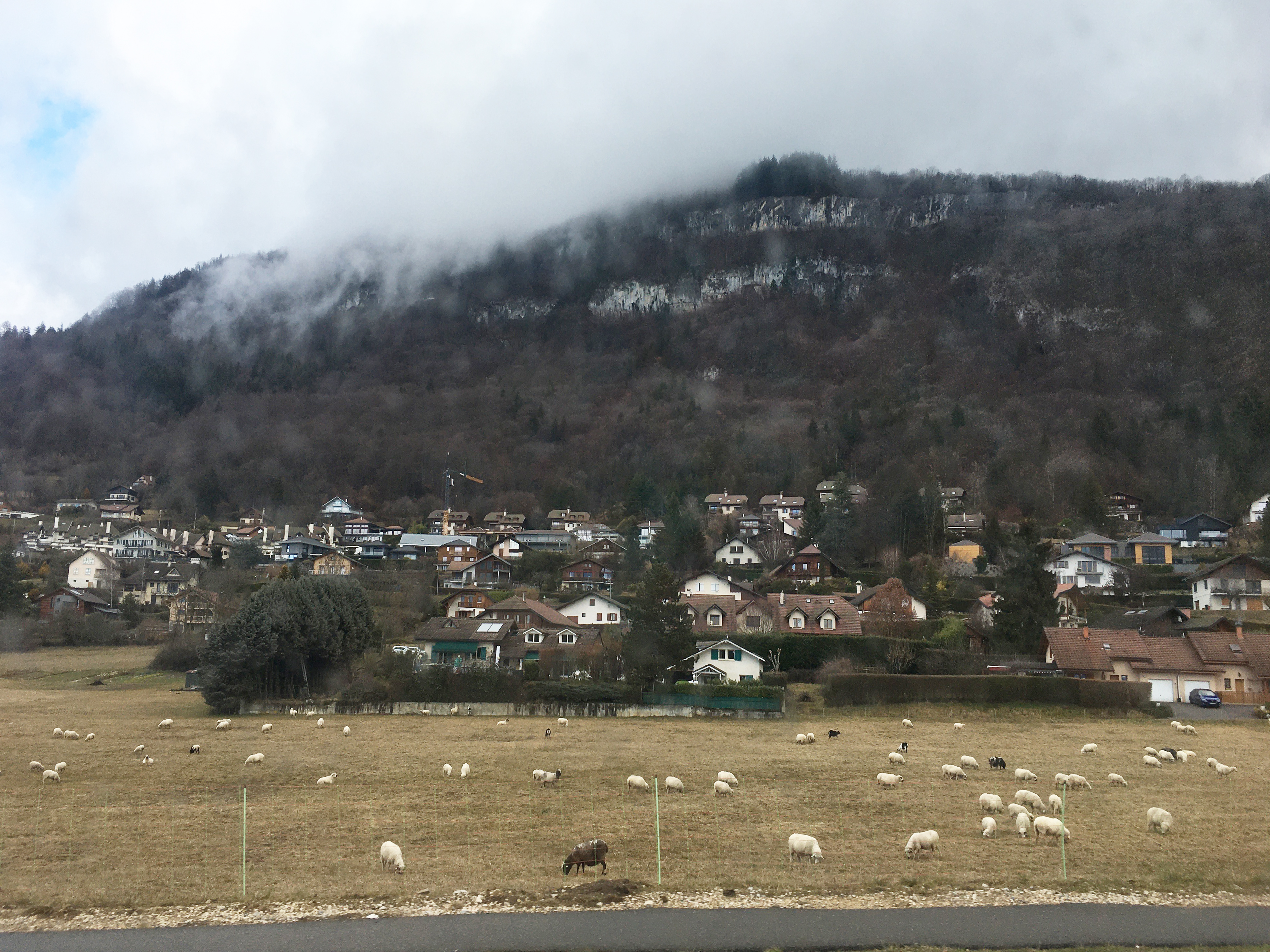
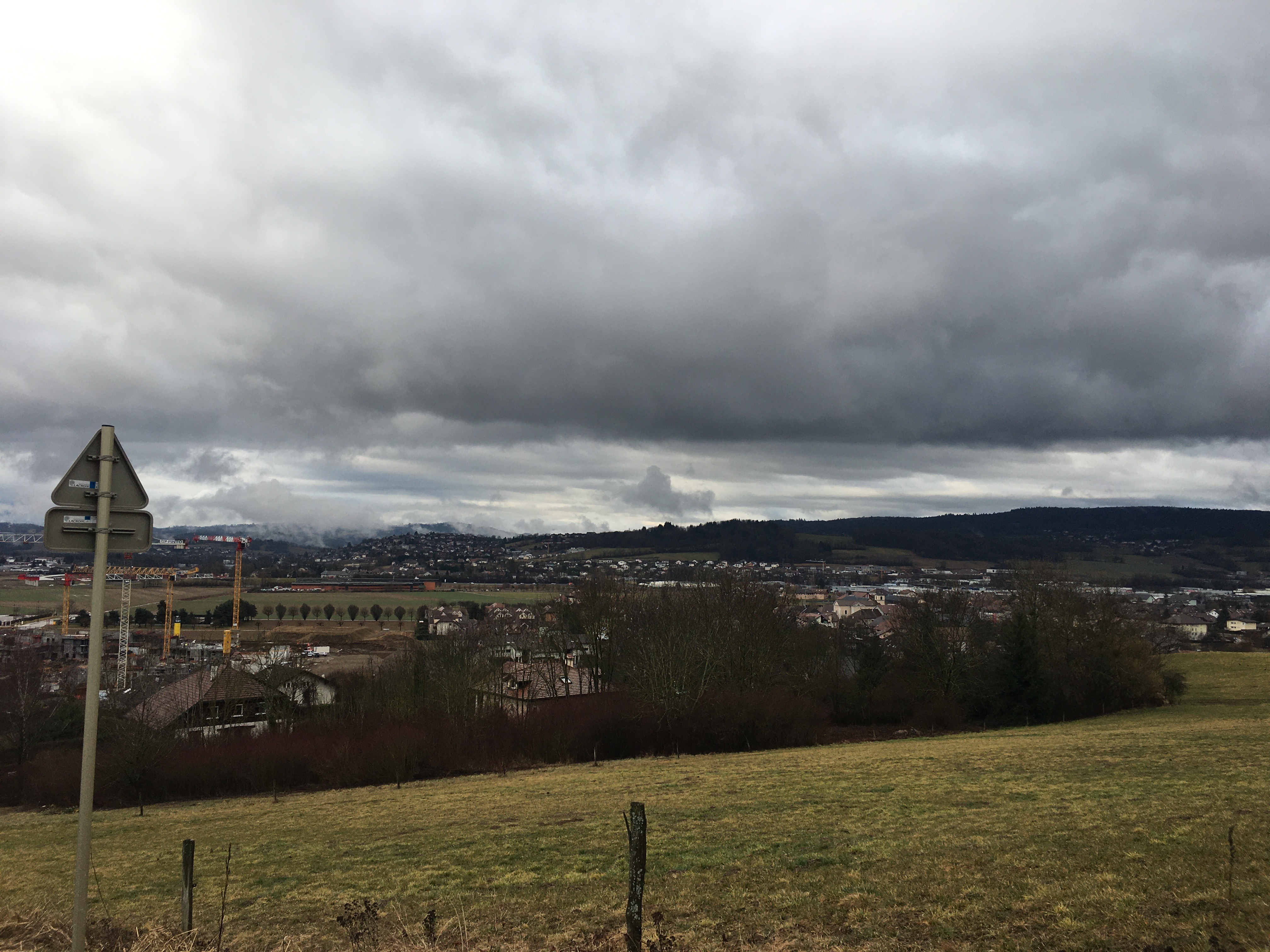
The Arve
PACA is located within the Pre-Alps, subalpine mountain ranges also known
as the High Limestone Alps. This region consists of mid-altitude mountain
massifs that form the foothills of the Alps. Relying on this geological foundation,numerous parks (Regional Nature Parks, Geoparks) have been established to showcase, manage, and protect these remarkable ecologies and landscapes.
Currently, the PACA territory lacks such a designation. Our proposal is therefore to fill this missing link by creating a Natural Agricultural, River, and Forest Park that ensures the continuity of these territories as common goods.
massifs that form the foothills of the Alps. Relying on this geological foundation,numerous parks (Regional Nature Parks, Geoparks) have been established to showcase, manage, and protect these remarkable ecologies and landscapes.
Currently, the PACA territory lacks such a designation. Our proposal is therefore to fill this missing link by creating a Natural Agricultural, River, and Forest Park that ensures the continuity of these territories as common goods.
Le PACA Arve s’inscrit dans les Préalpes, chaînes
subalpines, également nommées Hautes-Alpes calcaires. Il s’agit d’un ensemble de massifs
montagneux de moyenne altitude formant les contreforts des Alpes. En s’appuyant
sur ce socle géologique, de nombreux Parcs (PNR, Géopark) ont pris place afin de
magnifier, administrer et protéger ces écologies et paysages remarquables.
Aujourd’hui, le territoire du PACA en est exempt. Notre proposition est donc de compléter ce chaînon manquant au travers un Parc Naturel Agricole Fluviale et Forestier qui garantie la continuité des ces territoires
en tant que communs.
Aujourd’hui, le territoire du PACA en est exempt. Notre proposition est donc de compléter ce chaînon manquant au travers un Parc Naturel Agricole Fluviale et Forestier qui garantie la continuité des ces territoires
en tant que communs.
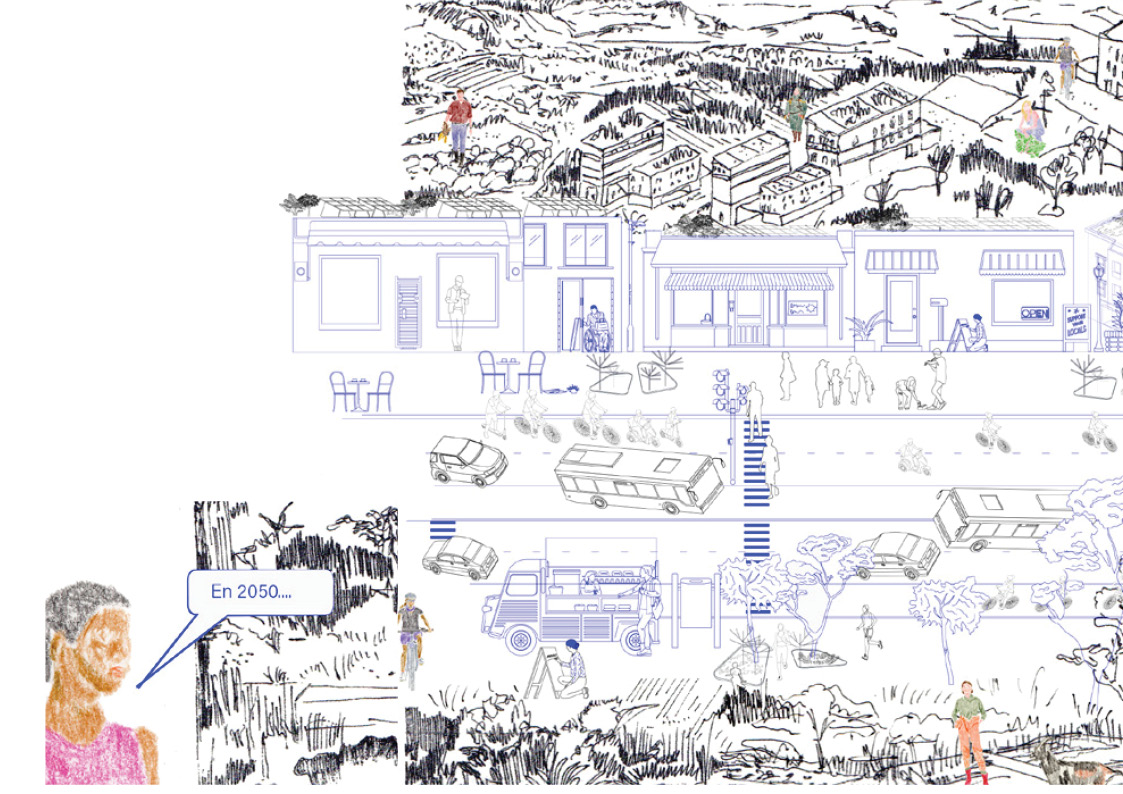
GREATER ANNECY
Client : CAUE 74 Greater Annecy
Team : AREP, TAKTYK, Benjamin PRADEL, Martin Etienne
TAKTYK project manager : Ike CHERQUI
Program : territorial vision of Greater Annecy
Location : Annecy
Surface Area : 540 km2
Date : 2022-2023
Client : CAUE 74 Greater Annecy
Team : AREP, TAKTYK, Benjamin PRADEL, Martin Etienne
TAKTYK project manager : Ike CHERQUI
Program : territorial vision of Greater Annecy
Location : Annecy
Surface Area : 540 km2
Date : 2022-2023
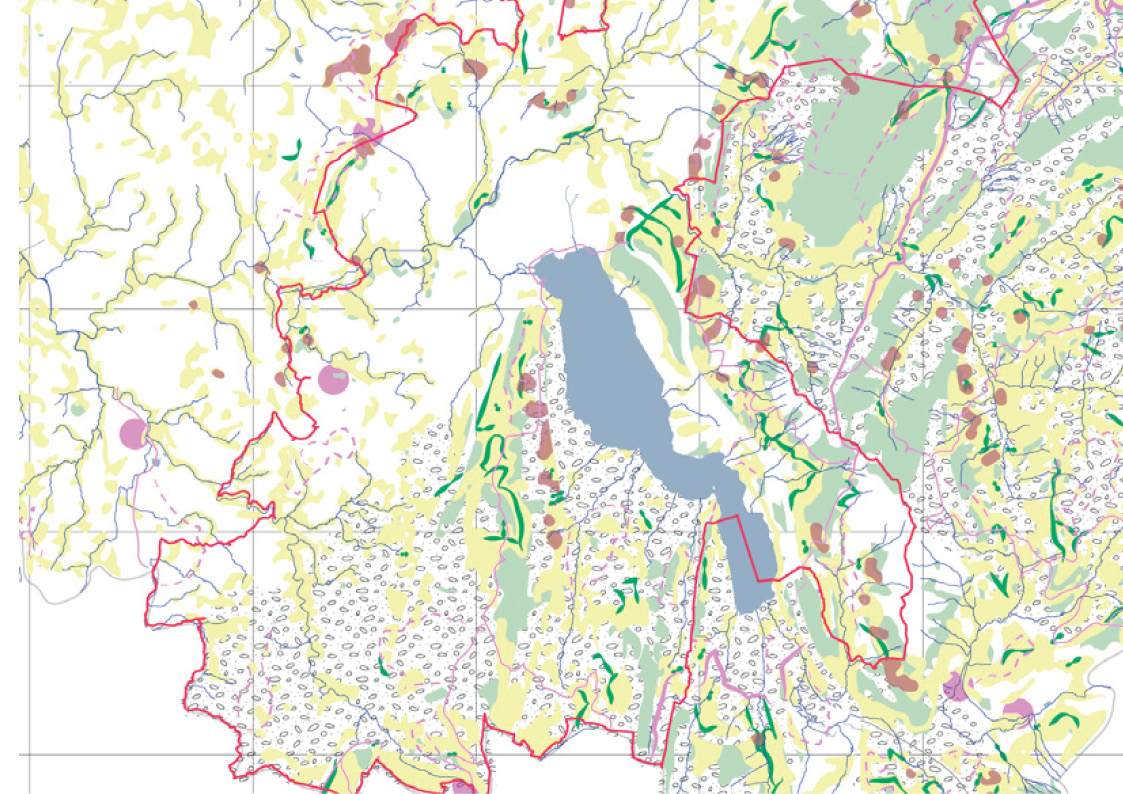
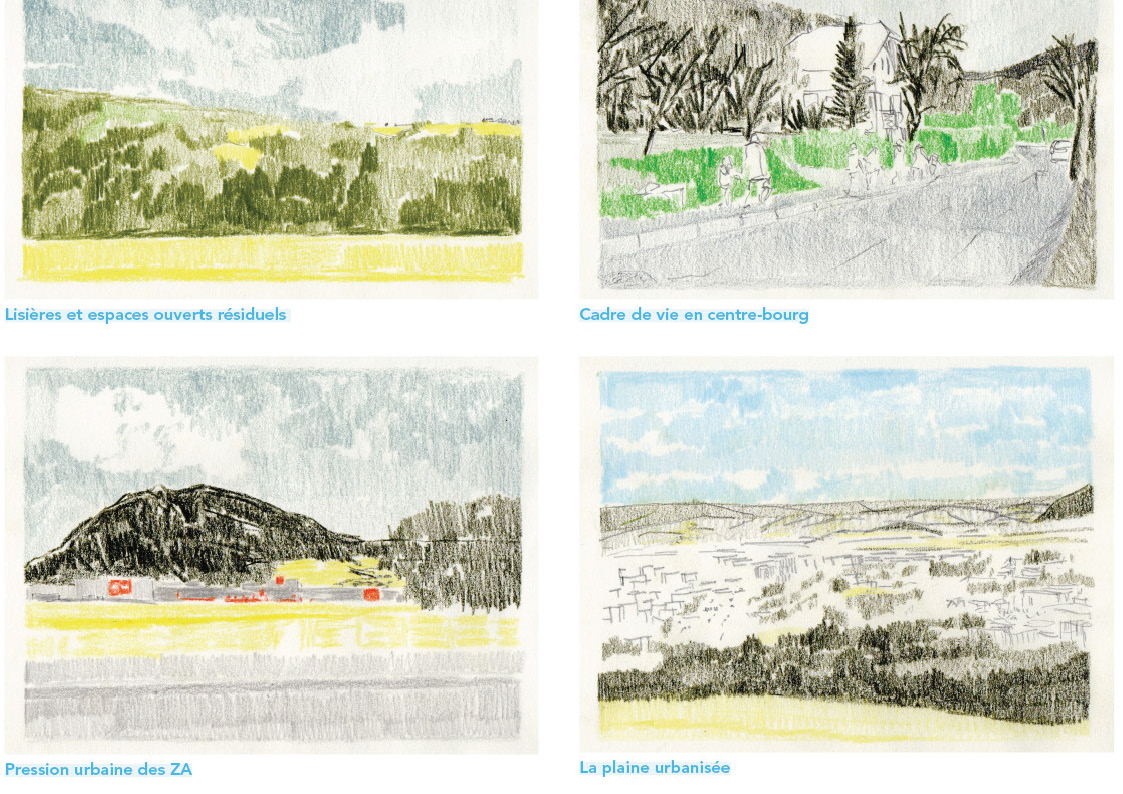
The consultation
for Greater Annecy is taking place in a context of demographic and land-use
pressure. Our mission involves developing a prospective study that outlines the
future of this area through the concept of an “archipelago.”
Three different scenarios explore the territory’s capacity for evolution and resilience by 2050 and identify the levers for adapting to climate change. They pursue a twofold objective:
Supporting decision-makers in the coming years through inspiring visions (desirable futures) and concrete action ideas. Encouraging citizens to embrace the collective project of a profound transformation of their lifestyle and an ecological transition for their territory.
Three different scenarios explore the territory’s capacity for evolution and resilience by 2050 and identify the levers for adapting to climate change. They pursue a twofold objective:
Supporting decision-makers in the coming years through inspiring visions (desirable futures) and concrete action ideas. Encouraging citizens to embrace the collective project of a profound transformation of their lifestyle and an ecological transition for their territory.
La consultation Grand Annecy intervient dans un contexte de
pression démographique et foncière. Notre mission porte sur l’élaboration d’ une
étude de prospective territoriale qui dessine le devenir de ce territoire autour
de la figure de l’archipel.
Trois scénarios différents explorent les capacités d’évolutions et de résilience à l’horizon 2050 et identifient les leviers d’adaptation aux changements climatiques. Ils ont pour un double objectif.
Accompagner l’action des décideurs pour les années à venir au travers de visions inspirantes (futurs désirables) et des idées concrètes d’actions.
Stimuler l’adhésion des citoyens au projet collectif d’une transformation profonde de leur mode de vie et d’une transition écologique de leur territoire.
Trois scénarios différents explorent les capacités d’évolutions et de résilience à l’horizon 2050 et identifient les leviers d’adaptation aux changements climatiques. Ils ont pour un double objectif.
Accompagner l’action des décideurs pour les années à venir au travers de visions inspirantes (futurs désirables) et des idées concrètes d’actions.
Stimuler l’adhésion des citoyens au projet collectif d’une transformation profonde de leur mode de vie et d’une transition écologique de leur territoire.