Anticipating territorial changes through prospective research


DESIGNING THE SKELETON FOR/OF ROBUST LANDSCAPES,
Barcelona (Spain)
Practice Based Research
RMIT Melbourne (Architecture & Design)
Thierry KANDJEE
Date : 2014
Supervisors: prof. Sue Anne Ware + prof. Martin Hook
Download PDF here
How can we create robust landscapes? In order to answer this question, pruning the rose became one model for action, using cultivation as a ‘regime of care’. The rose itself as a living structure that man can shape has implied a tacit understanding of the key term ‘skeleton’, which has been expanded upon during the course of the PhD.
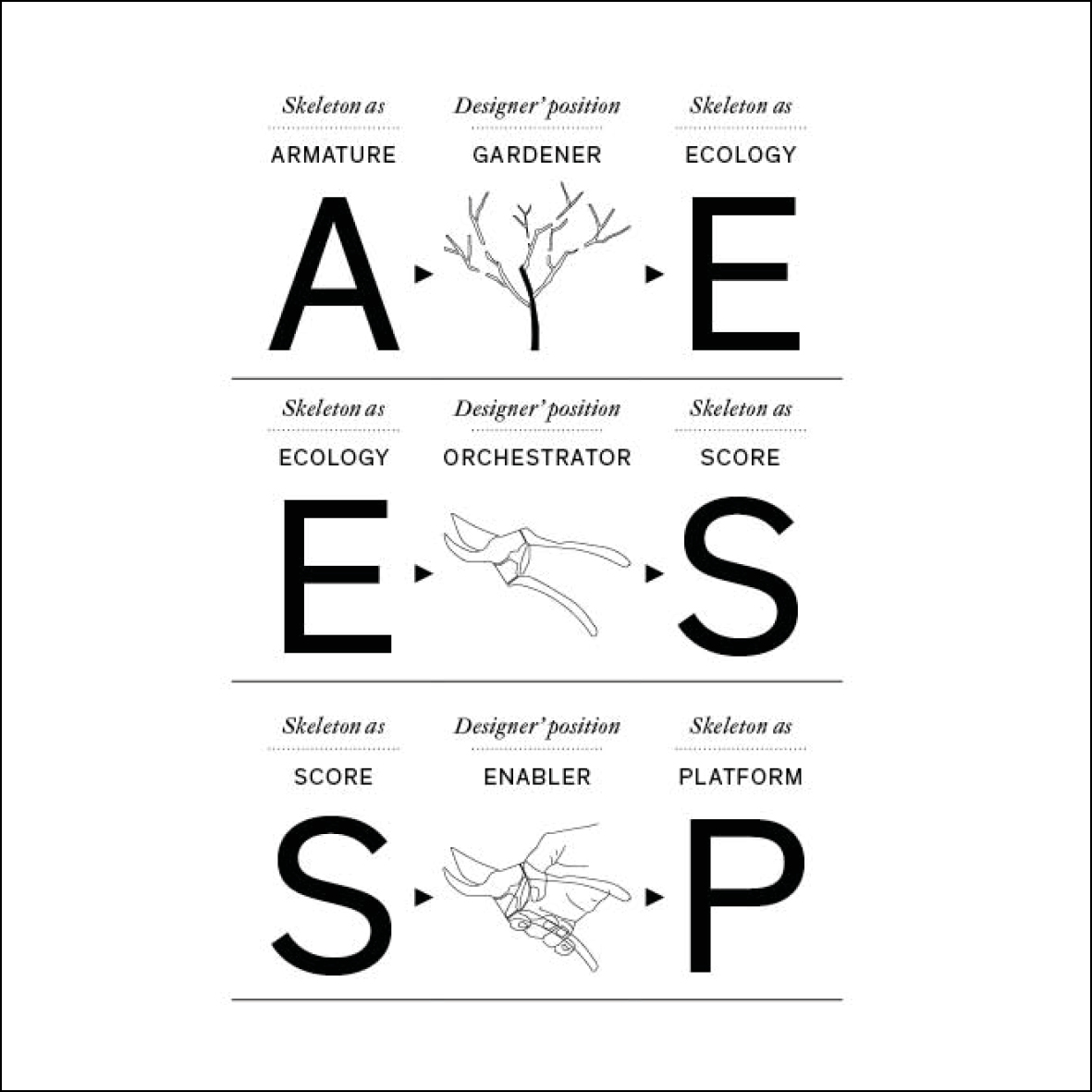
The successive definitions of the ‘skeleton’ have been refined throughout the research process in an iterative manner, defining four modes of practice. the modes of designing Armature, Ecology, Score and Platform.
The design of Skeleton as Armature is the practice of shaping the ground conditions as the infrastructure of landscapes, primarily foregrounded within the French tradition of landscape architecture.
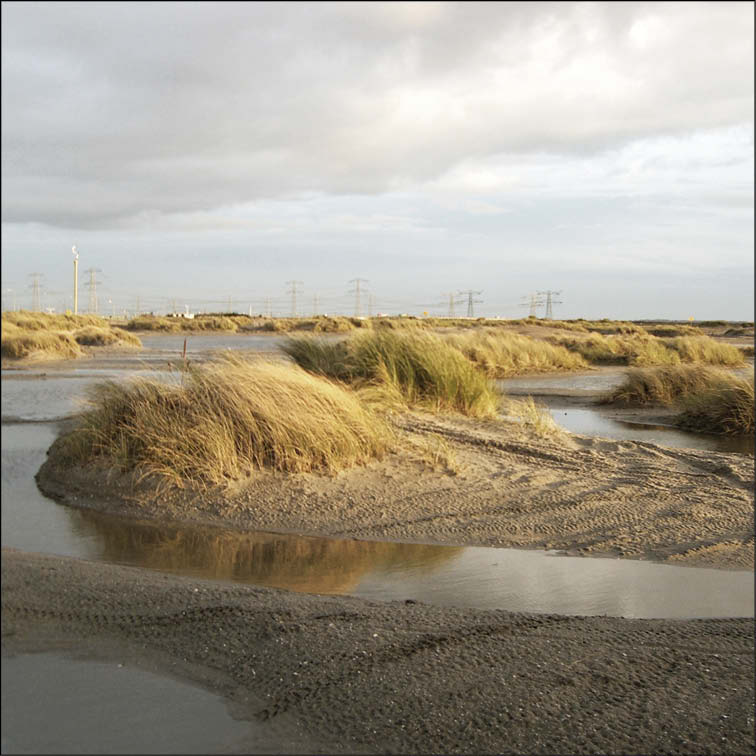
The design of Skeleton as Ecology advocates an integrative and holistic approach to landscape, acknowledging the specificity of a spatial intelligence shaped by Indian and Dutch landscapes.
The design of Skeleton as Score marks a shift in the practice during the research, towards the approach of landscape as an adaptive framework, acknowledging the work of the pioneer American landscape architect Lawrence Halprin. The design of Skeleton as Platform opens the approach of robust landscapes through the definition of values systems, of issues to be cared for.
The exploration of each mode of practice of designing robust landscapes, using a shifting understanding of the term ‘skeleton’ as an investigative tool, is the central argument of the research.
Télécharger le PDF ici
Comment créer des paysages robustes ? Pour répondre à cette question, les savoirs jardiniers (via l’exemple de la taille du rosier) est devenu un modèle d’action, utilisant la culture comme un « régime du soin ». Le rosier, en tant que structure vivante que l’homme peut façonner, a impliqué une compréhension tacite du terme clé « squelette », qui a été développée au cours du doctorat.
Les définitions successives du « squelette » ont été affinées au fil du processus de recherche, de manière itérative, définissant quatre modes de pratique : les modes de conception Armature, Écologie, Partition et Plateforme.
La conception du Squelette comme Armature correspond à la pratique qui consiste à façonner les conditions du sol comme infrastructure des paysages, une approche principalement mise en avant dans la tradition française de l’architecture du paysage.
La conception du Squelette comme Écologie défend une approche intégrative et holistique du paysage, reconnaissant la spécificité d’une intelligence spatiale façonnée par les paysages indiens et néerlandais.
La conception du Squelette comme Partition marque un tournant dans la pratique au cours de la recherche, orientant l’approche du paysage vers un cadre adaptatif, en reconnaissant les travaux du paysagiste américain pionnier Lawrence Halprin.
La conception du Squelette comme Plateforme ouvre la voie à des paysages robustes par la définition de systèmes de valeurs partagées.
L’exploration de chacun de ces modes de pratique pour concevoir des paysages robustes, en utilisant une compréhension évolutive du terme « squelette » comme outil d’investigation, constitue l’argument central de la recherche.